

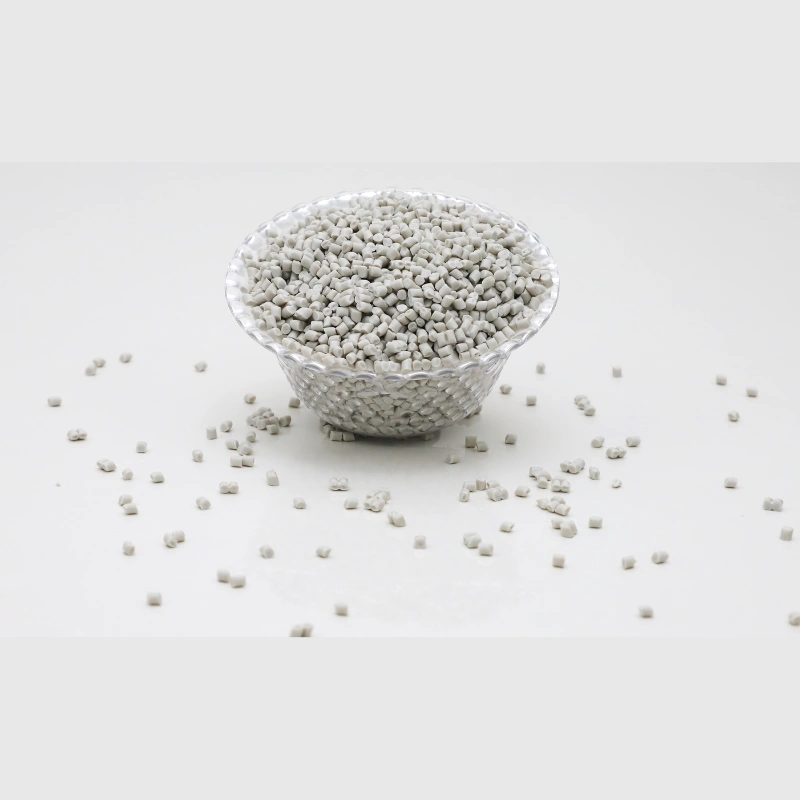
PP Granules
Injection molders and raffia tape plants across West Siang require PP granules with precise MFI control for the high-speed production of crates, woven sacks, and automotive parts. BR Plastic Industries makes PP Granules in both homo-polymer and copolymer types that are specially designed for injection molding (3-12 MFI) and raffia extrusion (20 Our material delivers superior flexural strength, and heat deflection is critical for structural components and packaging.
We are considered the best PP-granule manufacturers in West Siang due to our ability to recycle clean industrial PP waste using precision twin-screw compounding lines. Our PP Granules go through strict tests, including Ash content tests (<2%), MFI verification, and mechanical tests. Processors comparing PP granule prices per kg specify BR Plastic Industries at ?70-95/kg—matching virgin resin properties with a 20-30% cost advantage for continuous operations.
Your trusted PP granule suppliers in West Siang, we deliver trial packs through full container loads, supporting woven sack production, injection molding operations, raffia tape plants, and thermoforming facilities nationwide. BR Plastic Industries: your proven material partner for West Siang's diverse plastic processing sectors.
Related products
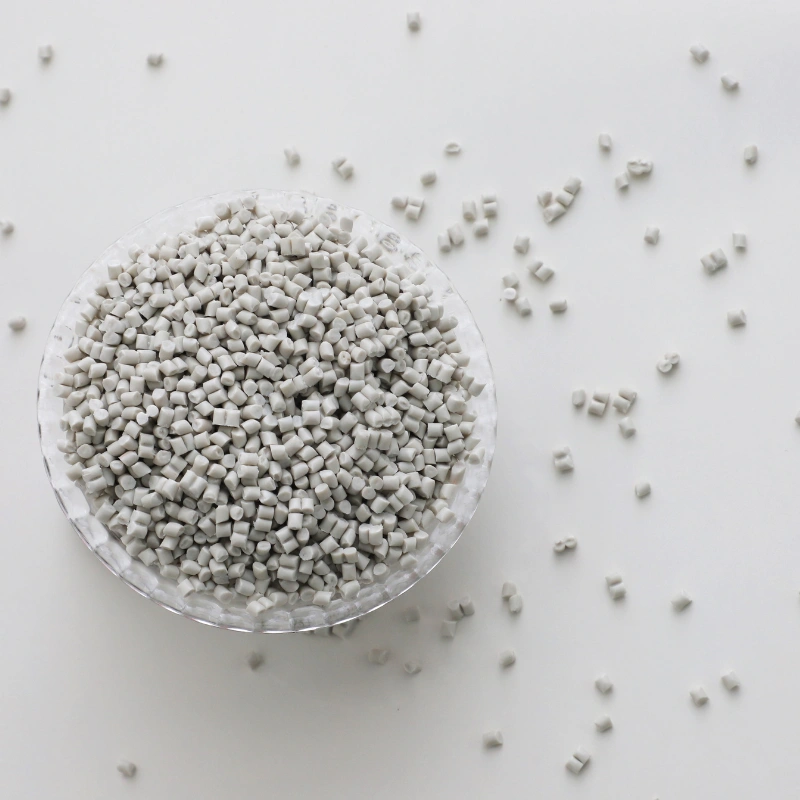
What Are PP Granules?
PP Granules (Polypropylene) are thermoplastic pellets that are made up of propylene monomer. They can be either homopolymers, which are rigid, or copolymers, which are impact resistant. PP scrap is recycled using clean PP injection scrap and raffia PP scrap, which goes through a twin-screw compounding process followed by pelletizing to produce uniformly sized 3-5 mm PP granules.
The presence of isotactic crystals in the PP pellets makes them very stiff, chemical, and heat resistant, and hence they are used in India’s packing, auto industry, and household goods packaging applications.
Key Functional Benefits
- Stiffness and HDT: Homopolymer polypropylene may function in temperatures from 100-120°C, making it appropriate for hot-fill applications and the automobile industry.
- Flow Properties: An MFI value of 3-35 g/10 min is sufficient for thin-wall injection molding and rapid raffia spinning without causing sink marks.
- Toughness: The addition of ethylene copolymers provides increased toughness, suitable for use in crates, furniture, and low-temperature conditions.
- Lightweight Material: Low densities of 0.900-0.910 g/cm³ produce lightweight articles, an advantage that scales well when produced in large quantities.
- Compatibility and Chemical Resistance: FDA-approved grades possess oil, grease, and detergent resistance, making them appropriate for food contact applications.
Industries and Use Cases
- Packaging Industry: The industry uses cement sacks, which have woven construction; FIBC bags, which transport bulk solids; jerry cans, which store liquids; and food packaging, which creates airtight seals.
- Automotive: The battery casings protect against acid damage, the bumpers prevent damage from collisions, the interior trim maintains its integrity under high temperatures, and the engine hood components effectively control engine oil.
- Home: The space contains stacked crates which hold water in buckets, and the furniture exhibits long-lasting strength, and kitchen items can be cleaned in dishwashers and toys pass drop testing requirements.
- Industrial: Battery separators stop electrical shorts, which protect luggage from damage, and electrical enclosures block all dust, and conveyor systems continue their operation without stopping.
- Agriculture: The mulch film restricts weed development while the seedling trays create new plants and the bird nets safeguard agricultural fields from harm.
What Our Clients Say
BR Plastic Industries consistently supplies high-quality HDPE granules with excellent uniformity. Their timely deliveries have helped streamline our production.

Rohit Aggarwal
GurugramThe LLDPE granules are well-processed, durable, and perfectly suited for our packaging applications. Very professional team to work with.
Neha Malhotra
NoidaWe source reprocessed granules regularly from BR Plastic Industries. Quality consistency and competitive pricing make them a reliable partner.
Amit Jain
AhmedabadExcellent material quality, transparent communication, and dependable logistics. Their granules perform well in pipe manufacturing.
Sunil Patel
RajkotHighly recommended for bulk plastic granule supply. Their quality control and export-ready packaging are truly impressive.